


Ozone therapy | Application of ozone therapy in the treatment of painful diseases - intra-articular injection
The clinical application of ozone local pain point injection therapy in pain management has demonstrated significant advantages, particularly in the treatment of soft tissue pain, characterized by its simplicity, convenience, and safety. Its mechanism of action involves directly injecting ozone into the painful area, exerting anti-inflammatory, analgesic, and tissue repair-promoting effects. Since the metabolite of ozone is oxygen (O2) with no residuals in the tissue, it can be used repeatedly, avoiding the potential risks associated with drug accumulation.
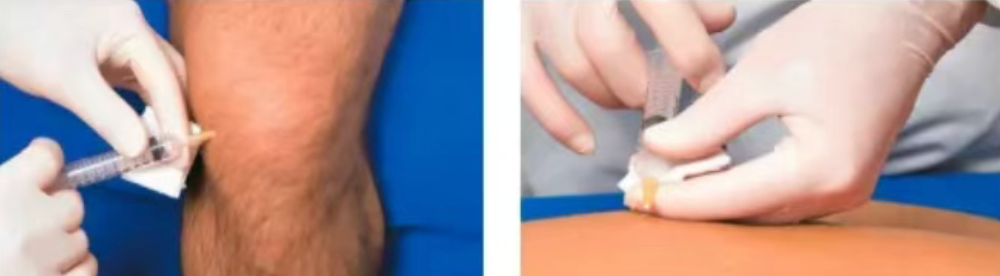
Compared to traditional hormone drugs, ozone therapy has no side effects of hormone drugs, such as elevated blood sugar, osteoporosis, and femoral head necrosis, making it an ideal choice for some special types of patients. For example, for patients with hypertension, diabetes, ulcer disease, osteoporosis, or femoral head necrosis, ozone therapy provides a safe and effective alternative, increasing treatment options. These patients are often unable to receive hormone therapy due to physical limitations, while ozone therapy can not only effectively alleviate pain but also avoid aggravating their existing diseases.
The therapeutic principle of medical ozone
(1) Reducing inflammation: Ozone can induce the overexpression of antioxidant enzymes to neutralize excessive reactive oxygen species (ROS); stimulate the release of immunosuppressive factors such as IL-10 and transforming growth factor (TGF)-β1, inhibit excessive immune responses, thereby reducing inflammatory reactions; simultaneously, vascular endothelial cells are stimulated by ozone to release substances such as nitric oxide (NO) and platelet-derived growth factor (PDGF), causing vascular dilation, improving local microcirculation, reducing edema, and thus promoting inflammation absorption; stimulate cytokines that antagonize inflammatory reactions to neutralize IL-1, IL-12, IL-15, etc.

(2) The occurrence of analgesic pain is caused by the release of pain-inducing substances such as phospholipase A2 and SP from peripheral nerve endings around the tissue. After local injection of ozone, it can directly act on the aforementioned nerve endings, stimulating them to release substances such as endorphins, which block the transmission of harmful signals to the central nervous system. At the same time, it stimulates inhibitory interneurons in the nerve endings to release substances such as enkephalins, thus achieving analgesic effects. This analgesic effect appears immediately after injection, which is the main basis for ozone therapy in the treatment of soft tissue inflammatory pain.

(3) Increasing oxygen supply: Trioxane can increase the content of 2,3-diphosphoglyceric acid in cells, shift the dissociation curve of oxyhemoglobin to the right, enhance oxygen release, alleviate hypoxia in local tissues, and increase the anti-inflammatory capacity of local tissues.
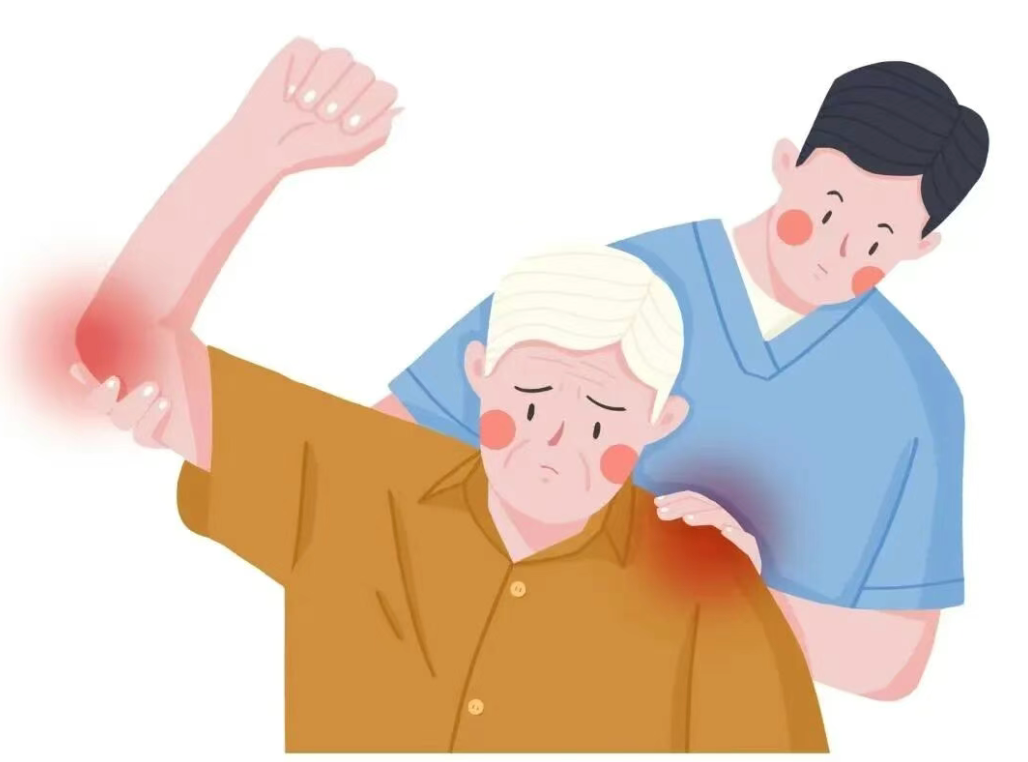
In addition, the minimally invasive and highly effective nature of ozone local pain point injection therapy has made it highly favored in clinical practice. The treatment process requires no surgery, carries minimal risk, causes little pain, and is well-received by patients. For patients with chronic soft tissue pain, such as periarthritis of shoulder, tennis elbow, and lumbar muscle strain, ozone therapy can quickly alleviate pain, improve function, and enhance quality of life. At the same time, its low cost and short cycle also reduce the economic burden on patients, making it an affordable treatment option for the general public.
In summary, ozone local pain point injection therapy holds broad prospects in clinical application. It not only provides a safe and efficient treatment method for patients with soft tissue pain, but also expands treatment options for special types of patients, further enriches treatment methods, and enhances service capabilities and patient satisfaction.
 Recommend